CBN plans doubling credit to private sector in new growth push
The Central Bank of Nigeria (CBN) is targeting at least a doubling of private sector credit-to-gross domestic product (GDP) by
Wasiu AlliNovember 28, 2026 4 min readShareThe Central Bank of Nigeria (CBN) is targeting at least a doubling of private sector credit-to-gross domestic product (GDP) by 2030, as it seeks to turn recent banking reforms and macroeconomic stabilisation into increased financing for businesses and economic growth.
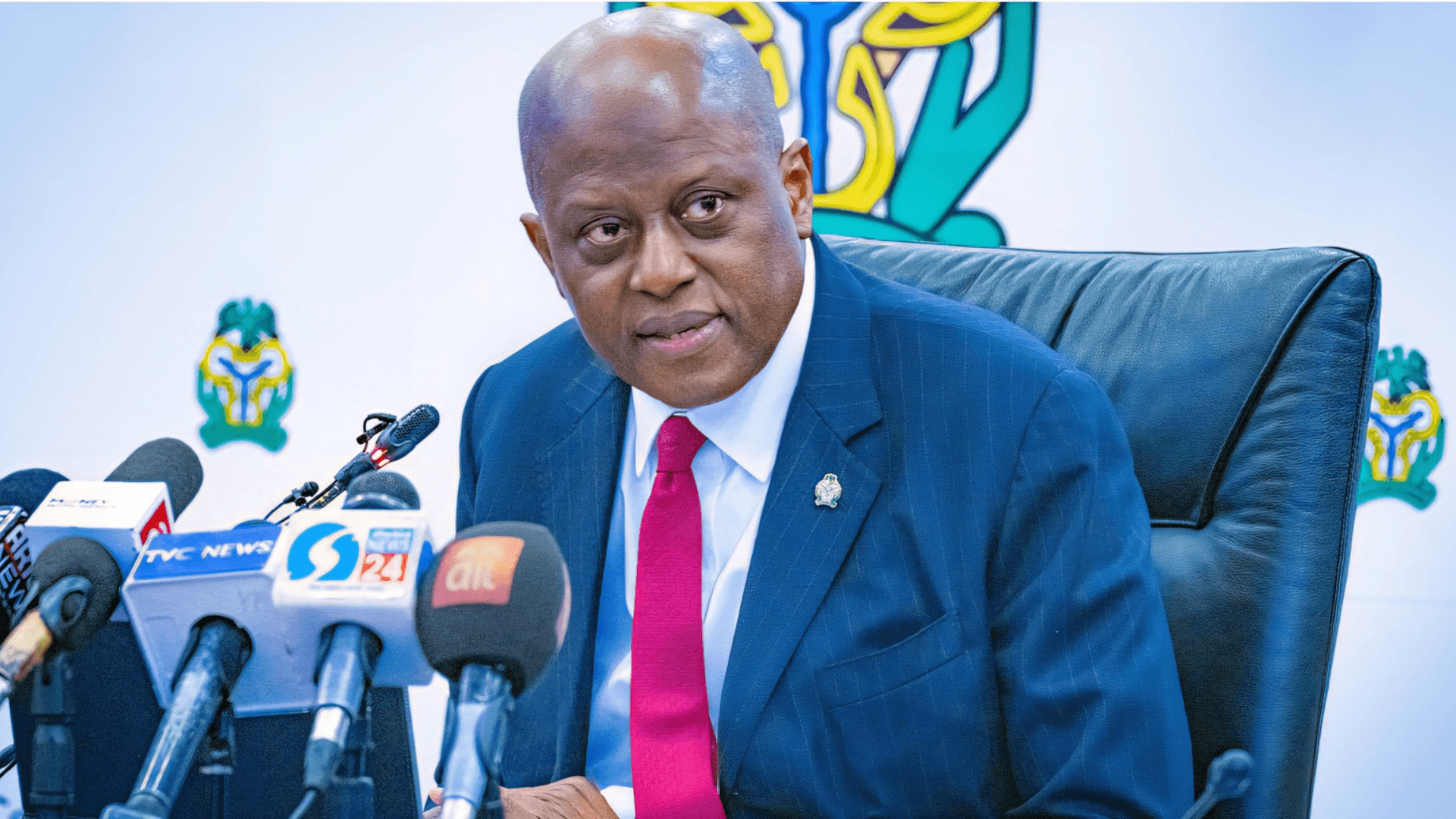
AdvertisementAdvertisementOlayemi Cardoso, CBN governor, said the ambition would require deeper financial markets, stronger domestic institutional investment and financial institutions capable of supporting businesses at different stages of growth.
Read also:Higher T-bill yields threaten cheaper credit to businesses
“There is considerable scope to deepen financial intermediation in Nigeria. As inflation moderates and the broader lending environment improves, our ambition should be to at least double the private sector credit-to-GDP ratio by 2030, consistent with sound lending practices and financial stability,” Cardoso said at the 61st Annual Bankers’ Dinner of the Chartered Institute of Bankers of Nigeria in Lagos on Friday.
The target comes after Nigeria’s banking sector concluded a recapitalisation exercise that saw 33 banks meet revised minimum capital requirements, raising approximately N4.65 trillion in fresh capital, according to the governor.
However, Cardoso acknowledged that stronger bank balance sheets had yet to fully translate into affordable financing for businesses, citing elevated credit risks, high interest rates and weaknesses in credit assessment, collateral and enforcement systems.
Advertisement“Strong balance sheets are necessary, but the capacity of banks to lend affordably also depends on the environment in which they operate,” he said, adding that sustained disinflation, stronger credit information and collateral systems, and collaboration with fiscal authorities would be critical to expanding lending.
Read also:Credit to private sector slows to 18-month low
AdvertisementAfrica’s biggest oil producer has seen its annual growth quickened to its fastest in five years, recording 4.43 percent at the end of the second quarter of 2026 even as it hopes to hit 7 percent rate next year as part of its strategy to attain a $1 trillion economy in the next three years.
That ambition remains piped with weakening credit to the very sector — the private sector — that contributes some 90 percent to the economy and provides employment to nearly 80 percent of the population.
AdvertisementAdvertisementNigeria’s private-sector credit-to-GDP ratio has historically been low relative to the size of its economy and compared with peer economies. Doubling it by 2030 would require significant expansion of lending relative to economic output.
The IMF’s 2026 assessment put Nigeria’s private-sector credit at approximately 12 percent of GDP in 2025. If Cardoso’s ambition is measured against that baseline, doubling would take the ratio to around 24 percent of GDP by 2030.
Even at that, Africa’s most populous nation would still trail the Sub-Saharan Africa average of 31.7 percent and peer countries including South Africa, Kenya and North African Morocco that have raised private sector credit share of GDP to 89.7 percent, 31.8 percent and 77.8 percent respectively, according to data from the World Bank.
“Credit crunch weakens growth and limits expansion,” said Tajudeen Ibrahim, director research and strategy at Lagos-based consultancy Chapel Hill Denham, adding that access to cheap credit could spur new investments and boost job creation.
Nigeria’s low level of financial intermediation remains a constraint to businesses seeking funds for expansion, investment and working capital, with the CBN governor highlighting the need to make financial inclusion more useful beyond access to payment services and savings.
Read also:Banks’ credit to private sector drops to N77.82trn in May
The 2026 Access to Financial Services Survey showed that 79 percent of Nigerian adults use formal or informal financial services, while 64 percent use digital financial services. However, only 10 percent borrow through formal financial channels, compared with 53 percent who save formally.
Cardoso said the next phase of financial sector development should enable viable businesses to access financing using their financial records and transaction histories, while strengthening the capacity of institutions to assess borrowers and manage risks.
He cited the example of a market trader who receives about 200 transfers daily, saves consistently and operates a viable business, saying financial inclusion should enable such a business owner to access credit for expansion.
The governor also called for greater use of risk-sharing arrangements, loan syndication and collaborative financing structures, particularly for large transactions beyond the capacity or risk appetite of individual banks.
He said achieving the credit expansion ambition would require stronger domestic institutional investment, more developed capital markets and financial institutions able to finance businesses across different stages of growth.
The CBN is also seeking to sustain lower inflation, which fell from 24.48 percent in January 2025 to 14.06 percent in October 2026, as it works towards sustainably achieving single-digit inflation.
Cardoso said lower inflation was critical to protecting purchasing power, providing businesses with greater certainty to plan and invest, and creating conditions for borrowing costs to decline sustainably.
Related News
- Food, beverage manufacturers generate N1.47trn in operating cash despite weak sales
- Groomed at 12, professionals by 16: New Selar Report unmasks Nigeria’s ‘Hustle Kingdom’ fraud academies
- Beyond the field: Nigerian female athletes excelling in sports and academics
Wasiu Alli is a business, economics cum data journalist with strong expertise covering macro trends, capital markets, government policies, corporate earnings and comparative economics analysis. Alli turns raw data into trends that not only tells compelling stories but nudges investors to make valued and informed decisions. He’s an alumnus of Lagos State University and trained at Lagos Business School. He formerly heads the Companies and Markets desk at BUZZ NEWS where he writes and supervises the production of well researched articles on earnings updates, corporate sectoral comparisons, market intelligence as well as interviews with C-suite executives.
Advertisement Share